 For Lots of Rhubarb Recipes and More Get Connected


Hypertufa Projects
Crafts Using Perlite
Creating with hypertufa mixtures for garden-crafts is a great alternative to working with heavy cement.
Some gardeners are substituting this material for cement when crafting their backyard projects.
Whether it be stepping stones from the leaves of rhubarb, or a birdbath, or containers and troughs, working with this substance has become quite enjoyable.
Just what is it?
It is simply a substance made from a recipe of portland cement, water, sand, peat moss and perlite. Depending on what your project is, the mixtures will be different in strengths.
The great thing about this substance is that it is very light in weight. Not even close to the weight of a chunk of cement or real stones.
It can withstand the very cold temperatures. If you have extremely harsh winters where you live, this substance will not fall apart or break under those circumstances. If it has been cured properly, just as in the recipe for cement mixtures, it will hold up sufficiently.
As durable as it is though, experts estimate light weight products with perlite can last 10 years or more. And, they can tolerate weather. Roots of other plants can get into the crevices though which can make the breakdown process of the material quicker.
Have you seen the faux-rock that is quite popular? Guess what they are made of?
Another feature of this recipe, is that you can do so much with it as you build your project.
This substance can be sculpted. It can be painted, or colored with a tint. You can mold it into any shape or form. The uses are endless.
There are some tools you may need to purchase, but for molds, many regular household items will do.
Leaves from rhubarb plants are used quite frequently with this mixture to produce stepping stones in the same way as you would use them in a cement mixture. The procedure is almost identical. In the end, they just are not as heavy.
The projects are quite lovely looking as well. You would never guess that a stepping stone or plant container was actually artificial and not made with real cement.
Take a look at this video courtesy of Ron Harvey, to see just
how the ingredients are mixed, and the beautiful garden planters
that can be made.
Pretty amazing stuff, isn't it?
If you think that was amazing, take a look at this beautiful collection of leaves entitled "Marys Leaves."
These people have put together a great little presentation with accompanying music as well.
Obviously, these crafts don't have to be for the outdoors only. Bring them inside as lovely accent pieces to your decor.
Care to give any of these projects a try around your home?
This Hypertufa Manual will give you the information needed to get started on your own hypertufa-crafts and projects.
See the Listings at Rhubarb Daily Deals
Return To Stepping Stones
Leave Hypertufa, Return To Savor The Rhubarb Home Page



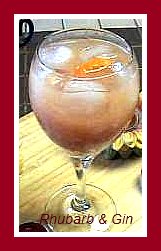
Rhubarb Gin Cocktail
Made it myself! Try one.

New! Comments
Have your say about this topic. Leave me a comment in the box below.