 For Lots of Rhubarb Recipes and More Get Connected


Organic-Rhubarb Farming Methods Pay Off
In order to produce organic-rhubarb, certain challenges had to be met, and various strategies tested to result in overall successful organic farming methods. Such was the case for this family at High Altitude Rhubarb, a small-scale, family owned business located in Black Forest, Colorado.
After some years of experimentation, effective methods of fixing and bettering the soil in their location has resulted in a low maintenance, yet high yield organic rhubarb plant product.
This did not come easily, as there were apparent obstacles to overcome and deal with.
- Low Water Supply
- Poor Soil
- Lots of Weeds
- Semi-dry Climate Conditions
- Short Growing Season
- Summer And Winter Storms
- Small Labour Force
There were also some very good resources to consider as well.
- Abundant Supply Of Free Mulch
- Ample Hours Of Sunlight
- Knowledgeable People To Consult With
Non-organic methods had to be used at the start in order to correct the poor soil conditions.
The soil was heavily composted. Grass and weeds were killed off with high nitrogen fertilizer. The result was a rich soil, and high in organic material.
All plants and soil at first, including the rhubarb plants, were looked after non-organically. Chemical fertilizer was used to treat a few times annually to ensure and establish a variety of vegetables.
Nothing along the lines of chemical fertilizers have been used since 2002. No pesticides have been used. Full organic farming methods and growing of organic rhubarb have taken over since that date.
From the root propagations of the orginal small number of rhubarb plants, quite a number of rhubarb plants were started organically.
These rhubarb plants were put into little hills or "buttes" as they are referred to, and a ring for watering formed around the tops.
Landscape fabric was placed around the perimeter of the patches to act as barriers to weeds and seeds. Between the patches, there is no fabric. This was covered with 2 inches of pine mulch, and rhubarb leaves composted into the smaller gardens helped keep weeds from growing as well. Any that did, were easily pulled out manually.
Earthworms were placed into the soil around the plants. They eat the compost, and this leaches into the surrounding buttes.
The area from anywhere from twenty to forty feet, was kept well mowed to discourage seed production.
Soil and compost will gradually erode away from these little hills, and so mulch is topped up every so often. This continues to act as a wonderful barrier to the weeds, retains water, and ensures a good source of fresh compost.
Regarding the water, the drier climate actually helps tremendously in this respect, as regular waterfall would quicken the erosion.
Seasonal Organic Rhubarb Farming Practices
Mature cow and sheep compost is watered in during the Fall, which helps maintain the plants over the winter conditions, and provides a burst of good food energy in the Spring.
In Spring, the buttes are topped again with a minimal amount of soil for any more erosion that might have taken place.
Over the first harvest, which luckily comes before the hail season, the results are large healthy organic rhubarb plants that produce at least thirty pounds of rhubarb. A fully mature plant will eventually produce up to ninety pounds.
As to not overdo and stress the plants, growth is purposely limited, and this results in less of a need to replant every five years, which would be the norm otherwise.
And so, after much work, organic-rhubarb can be grown after effectively conquering the barriers, and it is available to you through community activities High Altitude Rhubarb participates in.
You can make a family outing of it and pick your own fresh organic-rhubarb at the farm, or it can be picked for you if you prefer.
There are seeds, plants and limited roots available to consumers. There are many varieties to choose from, and other related items available here as well.
There is a
rhubarb preservation project
going on to ensure rhubarb types for future generations.
So, do visit the folks at
High Altitude Rhubarb
which is the source reference for this article, and find out what this organic-rhubarb-supplier has to offer.
They are located in Black Forest, Colorado, 1 hour South of Denver, 20 minutes Northeast of Colorado Springs. I'm sure you won't be disappointed.
Leave Organic-Rhubarb, Return To Home Page


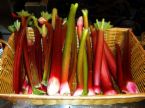
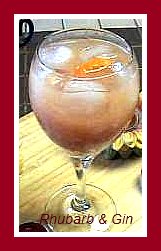
Rhubarb Gin Cocktail
Made it myself! Try one.

New! Comments
Have your say about this topic. Leave me a comment in the box below.