 For Lots of Rhubarb Recipes and More Get Connected


Worm-Composting
Worm Castings Are Black Gold
Worm-composting with worm-bins turns kitchen scraps to gold. For nutrient rich humus, vermiculture is a subject you may definitely want to check out.
We generate so much kitchen waste, why not put it to good use?
Earth-worms can generate a ton of worm castings and worm tea that is excellent for your garden.
It doesn't take much in the way of supplies to become involved with vermiculture, which is the correct title given to the world of worm compost. You need a few simple supplies to get started at it.
Who knows? You may want to get involved in worm farms and raising worms for sale.
You need bedding for the worm beds, water, kitchen scraps, and worm-bins or containers of some kind.
Bins can be made out of wood, but plastic storage containers are a good idea. They are readily available, and they come in a variety of sizes.
Containers should be no deeper than 1 foot. Any more than that, and a smell could develop.
They can be 2 feet in width, and as much as three feet in length. Be sure to drill some holes in the bottom to allow liquids to drain, and for the air to be able to circulate underneath.
It would be wise to have the bin elevated up off of the ground as well.
The drippings from the bottom is where the worm tea will come from, so be sure to collect it in a tray or pail.
Bedding for worm-composting has be kept full of moisture.
Shredded newspaper is perfect, as is thin computer paper. No matter what size of the bin, the bedding should fill 2/3 of the box. This is where the worms will live.
Before the worms are placed inside, water down the bedding thoroughly, and then remove the excess moisture. Fluff it up, and add the worms.
The red worm is the best.
They can be purchased at bait shops, and are suited to existing in bins. Most other types of worms need different environments to survive.
We had relatives years ago who kept worm bins and they were sold commercially. This is not the same thing I know, but I always remember as a kid seeing the bins piled sky-high in a walk-in cooler in the basement.
Temperature was very important, and for good reason depending
upon the kind of worms they were raising.
Once you have the worm bedding ready, scatter a number of worms over top.
Let them burrow down into it, and then scatter your kitchen waste over top. The worms will come to the surface to feed.
GOOD KITCHEN WASTE
crushed egg shells
coffee grounds
vegetable and fruit peelings
tea bags
starches
Some people even throw in very minimal amounts of fat and meat. Some think it should be avoided altogether. Personally, I would keep those items to a minimum.
This Video on Worm Composting is courtesy of "The Compost Guy"
at Youtube, and he knows his stuff. Take a look.
As the worms digest the scraps, worm castings will form. They can be gathered by hand and scattered over potted plants and/or mixed with potting soil.
You can work them into your flower or vegetable gardens, and you can never use too much. These castings are the "gold" you are looking for as the result of your worm compost efforts.
As the castings are removed, add more damp bedding.
Remember, the worms are digesting this bedding as well, and it must be replaced. It serves as their protection from the light. Worms are extremely light-sensitive.
Tips to Producing Good Worm-Composting Results
Provide Good Ventilation
Do Not Close the Lid on a Plastic Container
Have a Lid on an Outdoor Wooden Container
Catch the Liquid that Seeps Out and Fertilize with it
Add Scraps Slowly
If Odor is Detected, Cut Back on Scraps
Use More Vegetables and Less Fruit
Temperatures Cannot be Below Freezing
Temperatures Should Not go Above 72F
Keep Your Worms "In The Dark"
Do Not Treat Your Worm-Compost as a Garbage Can for "Anything"
Do Not Add Garden Soil
Do Not Add Manure
Do Not use Insecticides; Insecticides Will Kill the Worms
Worm Composters are not Litter Boxes - Ammonia Kills
Lastly, there are some pests that would not be good for your bins.
You certainly do not want ants or fruit flies to name a few near your worm composter. You can purchase traps to place around your worm-bins.
Your Nursery Garden staff, or anyone associated with Vermiculture are sure to be able to assist you.
Keep in mind, there are different opinions as to the best way to start worm-composting. I think this is an overall good idea of how it generally works, and generates great nutrition for your gardens.
Return To Compost
Leave Worm-Composting
Return To Savor The Rhubarb Home Page



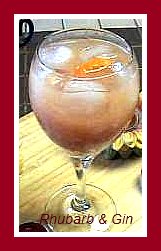
Rhubarb Gin Cocktail
Made it myself! Try one.

New! Comments
Have your say about this topic. Leave me a comment in the box below.