 For Lots of Rhubarb Recipes and More Get Connected


Make a Bold Statement Using
Ornamental-Rhubarb Accents
Landscape Pops with an Ornamental-Rhubarb like atrosanguineum.
One of the many varieties of decorative rhubarb also, or rheum-palmatum as it is botanically known, is turkey-rhubarb. It is quite a bit different in size from your regular garden rhubarb.
If you are looking to fill an empty space in your garden, and want something big and bold, consider this one.
This plant can grow to approximately six feet in height, with considerably long branches with rough foliage. The leaves are rather pointy looking.
The stem is quite sturdy, and easily supports the branches that sprout the yellowish buds in the spring. Eventually, small white and green flowers appear.
The stem of the turkey-rhubarb is actually edible and known to be quite tender and flavorful. Traditionally, this plant was used for medicinal purposes.
Also known for being a joy to work with by landscapers and designing gardeners, is atrosanguineum.
It too is part of the rheum-palmatum species, and there are so many varieties to keep track of.
If you want big, bold and tremendous color in a bland space, try this plant. The foliage of this plant is kind of wild looking.
The atrosanguineum can grow in zones 4 - 7, and it needs lots of space, as it can reach a height of six to eight feet.
This ornamental-rhubarb requires alot of water, and can thrive in partial or full sun.
A plant like this one would be great at my house. I seem to have one extreme to the other of sunlight in most areas. It's not that often a plant will tolerate more or less of the light. Maybe this comes from the known hardiness of the plant in
itself.
You should note that this rhubarb does have some poisonous parts to it.
Something which is good in two ways, is that the leaves are big and grow fairly close to the ground from the stem. The size of these leaves hides the soil and so the area underneath is virtually weedless. This also helps to provide shelter for tiny animals from the weather elements plus gives them a hiding spot. By the same token though, keep an eye out for slugs!
The blooms from Spring to the middle of the Summmer are quite pink to red. The huge leaves are actually jagged looking on the stems, which gives it the wild look I was talking about.
You can divide this ornamental-rhubarb in the Spring or the Fall, whicheveryou prefer. Be sure to supply good rich compost mixed in with the soil.
Usually one of these plants is plenty, so if you have a few, spread them out well where they will the make the best impression from a visual point of view.
Enjoy the Video Clip from Growing Wisdom
Rheum Palmatum Unfolding
There is another ornamental-rhubarb quite common across Canada and the botanical name for this one is rheum acuminatum. It is a very hardy plant, with very dark red stems and leaves that look they have lots of veins running through them. They can reach a height of at least four feet. You can find this plant growing near water. You will spot beautiful deep red seedpods over the summer months.
This plant too can thrive in full sun or in a shaded area. All rhubarb plants love compost, and this one is no different.
See Ace Of Hearts - Another great Rhubarb
So many different varieties to choose from in the rhubarb family. And I know there are even more than what is listed so far here.
Remember, lots of room, water, and feed them well. They are sure to bring something beautiful and spectacular to your garden.
Return to Rhubarb Companions
Leave Ornamental-Rhubarb, Return To Savor The Rhubarb Home Page


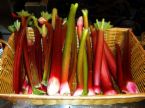
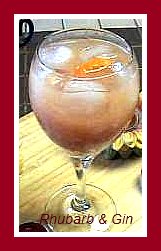
Rhubarb Gin Cocktail
Made it myself! Try one.

New! Comments
Have your say about this topic. Leave me a comment in the box below.